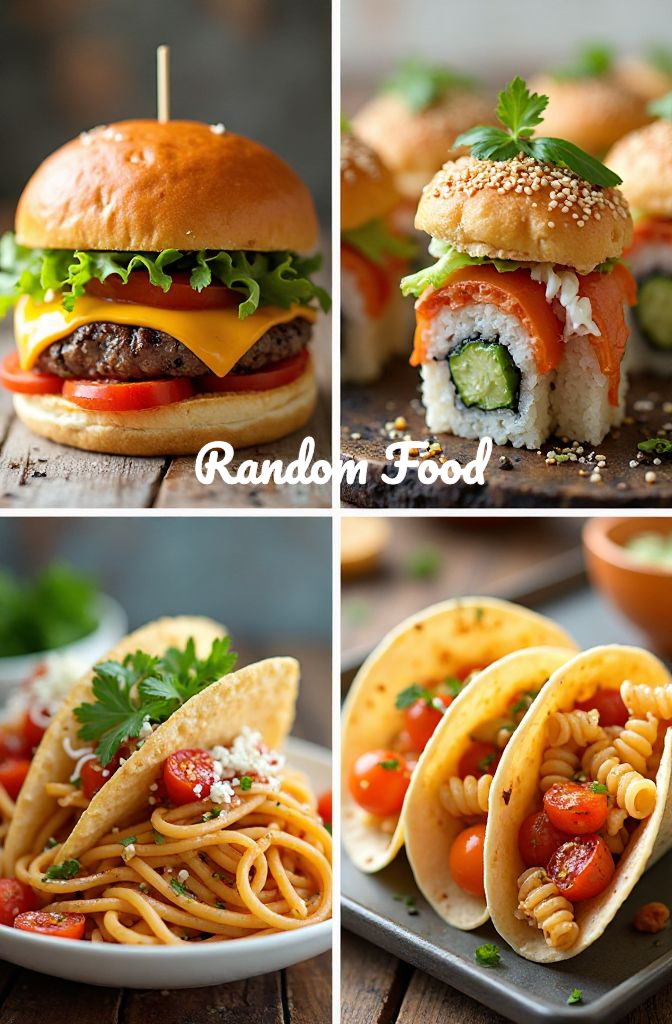
Random Food Generator
Hungry groups argue longer than they cook. This random food generator returns a dish or food idea so you can break the deadlock, spark a grocery list, or prompt a cooking stream. Results are culinary inspiration—not dietary advice, allergen guarantees, or restaurant reservations. Check ingredients, budgets, and restrictions before anyone lights a stove or places an order.
How to settle tonight’s meal with a fair food draw
Agree on constraints first: budget, time, vegetarian-only, no shellfish, leftover proteins to use up. Then generate. If the result violates a hard constraint, redraw under the same rules rather than arguing from scratch. When your household needs a weighted deck (“taco night” three times as often as sushi), publish a custom Lompu list instead of fighting this shared page’s uniform picks.
- List hard constraints (allergies, diet, time-to-table) where everyone can see them.
- Open the food generator and draw a primary dish or food idea.
- Accept the result if it fits constraints; otherwise redraw with the same rules.
- Translate the idea into a concrete recipe, takeout category, or grocery checklist.
- Optional: assign a cook, a shopper, and a cleanup role so the ritual ends in dinner.
- For recurring house menus, build a custom deck from / with your real rotation.
Looking for more public tools? Explore random generators on Lompu, read our guides on classroom, meeting, and writing use, or connect an assistant through Lompu MCP.
Moments when a food spinner earns its keep
Roommates stuck between pizza and “whatever” flip a dish idea to end the group chat spiral. The point is closure, not Michelin ambition.
Live cooking streamers ask chat for chaos, then cook whatever the generator lands on—within safe kitchen limits. The random brief creates comedy and a clear episode title.
Teachers discussing world cuisines or balanced plates let students spin a food, then research origin, main ingredients, and a simple prep step. Randomness keeps the lesson from centering only the teacher’s favorites.
Meal-prep planners who feel bored with chicken-and-rice draw a theme for the week’s experiment slot while keeping staples elsewhere on the calendar.
Office lunch clubs rotating pickers use a public draw when the designated chooser is out sick, preserving fairness without a long email thread.
Writers describing banquet scenes or road-trip snacks generate foods to texture a chapter, then adjust for setting and season so the fiction still feels grounded.
How dish ideas are sampled (and what they are not)
Primary text is a food or dish label from the published set—think recognizable meal ideas rather than full recipes with gram weights. Companion fields may add a category hint depending on how the generator was configured.
Each generation samples the list. You might see comfort classics and adventurous picks in the same evening; variety is intentional, not a ranking of “better” dinners.
The page does not calculate calories, macros, price, or cook time. Pair the idea with a recipe site, cookbook, or restaurant menu you trust.
Nothing here verifies restaurant availability in your city or whether a grocery store stocks specialty items tonight.
Randomness is facilitation-grade. It will not resolve medical nutrition plans, religious fasting rules, or clinical feeding protocols—those need qualified guidance.
Allergies, diets, and kitchen safety boundaries
Always override the generator for allergies and medically required diets. A fun draw never outranks anaphylaxis risk or a clinician’s instructions.
Shared kitchens should confirm cross-contact rules for nuts, gluten, shellfish, and other high-risk ingredients before cooking a randomly chosen dish.
Food safety still applies: cook temperatures, leftover windows, and clean utensils matter whether the idea came from a grandma or a webpage.
Cultural dishes deserve respect. If you draw a cuisine outside your experience, learn a reputable basic method rather than mocking ingredients you have not tried.
Do not use the tool to pressure someone into eating something they refuse. Consent and bodily autonomy beat “but the generator said so.”
Budget reality wins: if the drawn idea needs specialty imports you cannot afford this week, substitute a related dish or redraw under a tighter constraint list.
Custom menus versus this public food picker
Families with a fixed rotation of twenty weeknight meals should encode that list in a custom Lompu generator on / so draws stay realistic. Add columns for prep time or leftover potential if that helps your household.
Restaurants testing specials boards can invent a private spinner for staff tasting nights, while guests still browse public cousins on /explore.
Classroom cooking or nutrition units that mix food draws with group roles are outlined in /guides/classroom-random-generators. Team lunch facilitation tips live in /guides/meeting-random-generators.
Reach /contact if something looks wrong with the page. For inspiration only; for medical diets, talk to a professional.
Report this tool
If this page contains abusive, illegal, or rights-infringing material, email contact@lompu.com with the URL and a short description. See also our Terms of Service and the content policy notes on Explore.
Build Your Own Random Generator
Create a custom random generator in seconds with your own list, images, and fields. Make a picker for decisions, ideas, games, giveaways, study prompts, or anything else you want to choose at random. Compare public examples on Explore, then share your finished tool with a simple link.